The Great Third Place
By Nicole Shinn
In our fast-paced modern lives, much of our time is spent in two primary locations: home and work. But what about the spaces in between? Sociologists and urban planners refer to these as "third places,"—locations where people gather, unwind, and connect with others outside of their personal and professional obligations. "The classic sort of coiner of the term, the person who first coined it, was "Ray Oldenburg,"explains "Dr. Deborah Harris," a professor of sociology at Texas State University. "He really defines it as a place that isn't home, isn't work; it is this sort of third place where people can come together, share ideas, and mix and mingle with people that maybe they would not encounter in either the first or second places." Third places can be anything from coffee shops and parks to libraries, bookstores, and community centers. They provide vital opportunities for social interaction, offering a sense of belonging and connection. "I think they've always been important for a long time, even before Oldenburg started talking about them in the '80s," Dr. Harris continues. "The idea of civic society, of people coming together just to talk about the events of the day, to form opinions, and to form groups around their common interests...third places are good for mental health, a sense of belonging, and preventing isolation."
The Decline of Third Places
Despite their importance, third places are disappearing. Increasing work demands, urban development, and the privatization and commercialization of social spaces have made third places less accessible and made it more difficult for people to find public gathering spots. "I think more and more of us are working from home, you know, most people eat dinner alone," Dr. Harris says. "Fewer people are living with other people...many of us can go days without talking to someone if we so chose to. Or talking to someone that wasn't directly about work, right?" Dr. Harris adds that third places provide a space free of the obligation we may feel at work or at home. "We're choosing to go to a third place, and that may be one reason we don't go as much—because there's so many demands from first and second places. But we choose to go there." This decline in third places has significant consequences. "Fewer and fewer places exist where we can interact with different people, talk about ideas, and have our minds changed in a convivial way. The decline of people treating places as third places is a blow to civic society," says Dr. Harris. Many traditional third places, such as libraries and community centers, are struggling to maintain funding, while others, like coffee shops, have become more individualized, with patrons working alone rather than engaging in conversation.
The Economic Value of Third Places
Beyond their social impact, third places play a crucial economic role. Dr. Haiyong Liu, Professor and Chair of the Department of Finance and Economics at Texas State University, explains, "a third place, like libraries, coffee shops, and bookstores, typically affects the local economy in two ways." One way, he says, is "through direct economic impact—these businesses hire local workers who then spend their income within the community."The second is local spending—consumers infuse money into the economy through purchases made in these third places." Additionally, third places contribute to long-term economic growth. "Because of the booming economic activities helped by these third place-type setups, it could enhance real estate property values and the overall well-being of local residents," says Dr. Liu. They also provide opportunities for networking, creativity, and collaboration. "Lots of people benefit from a casual working environment where they can accumulate social capital, brainstorm, and meet up to work on things."
Finding Community in Third Places
Despite the decline, people continue to seek out spaces where they can build connections. For David Fasina, an Austin, Texas resident, his third place is the local soccer field. Every Friday night, David, his friends and others come to a local recreational field to play soccer, catch up with one another and meet new people. "There's a lot of places to come play soccer in the area, but the familiar faces are the number one reason why I'm here,” says David. “I already know a lot of the people here, and I enjoy playing with them. I feel like I can be myself around them too." For David, his weekly soccer games are more than just exercise; they provide an essential mental health break. "Mentally, it helps a lot because I don't feel like I'm caged in a specific place. It gives me a spot where I can go, work out, talk to other people, and just relax." He sees third places as an important counterbalance to the structured routines of work and home. "This has become a routine for me, but it's still a change of space. I'm constantly either between work and home, so just coming out here gives me another place to be myself and communicate with others who share common interests."
The Future of Third Places
Even as third places become more privatized and scarce, people will continue to seek community. "I think that people will always seek out connection. I think that's a very social human need that we have," Dr. Harris observes. "It might look a little different, but we see it in how people rally to fund libraries or organize community cleanups for parks. There’s always this idea of people wanting these third spaces, and seeing value in them.” The need for these spaces is undeniable. Whether it's a soccer field, a coffee shop, or a public park, third places remain essential for fostering relationships, strengthening communities, and improving overall well-being. The challenge now is to ensure they remain accessible and inclusive for all.
Popular ATX Third Places
Third places are more about the aspect of building community, having conversations with people and fostering connection than they are about specific location. Here are some common third places Austinites and Central Texans gather to build community and interact with one another.
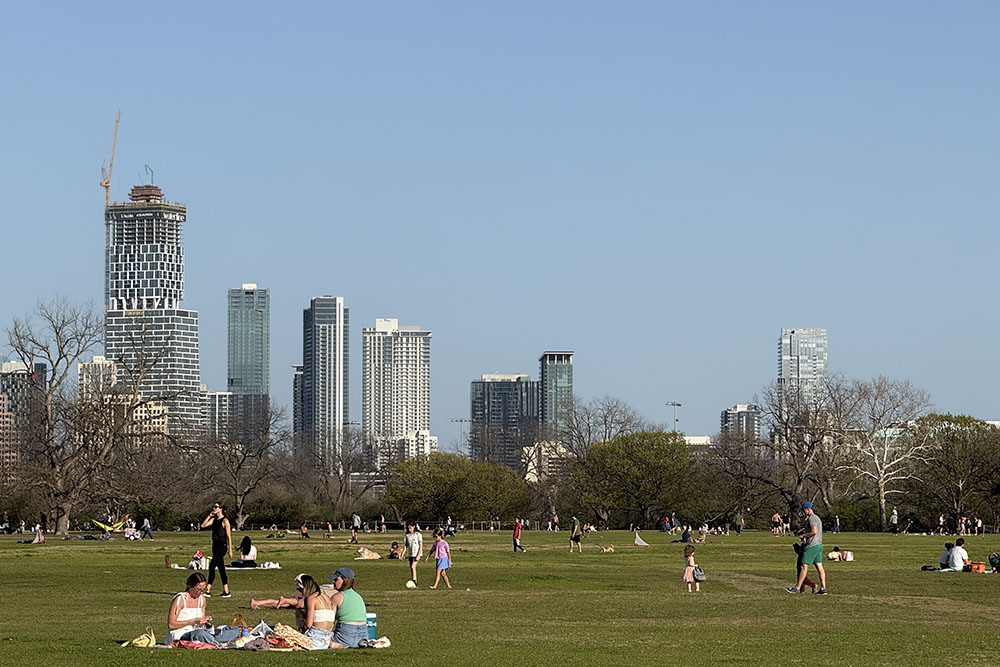
Zilker Park
A metropolitan park in Austin where people picnic, walk dogs, play frisbee, fly kites together and more.
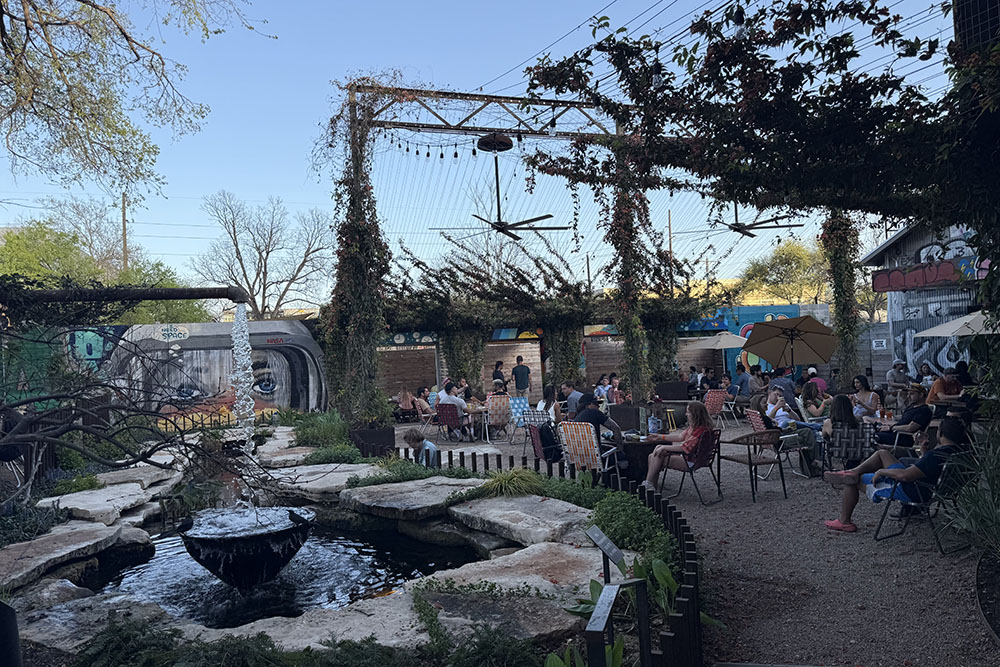
Cosmic Saltillo
An outdoor bar in East Austin that offers open space, plenty of seating and an open environment for conversation over drinks.
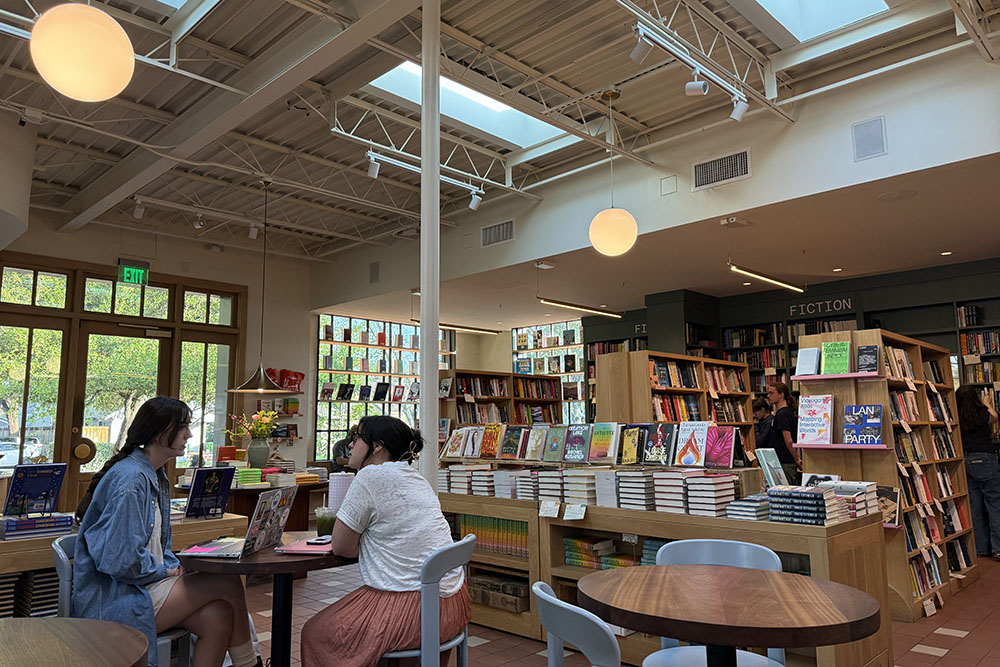
First Light Books
A local bookstore, coffee and wine bar all in one located in Hyde Park. People come for weekly events like trivia and chess club.
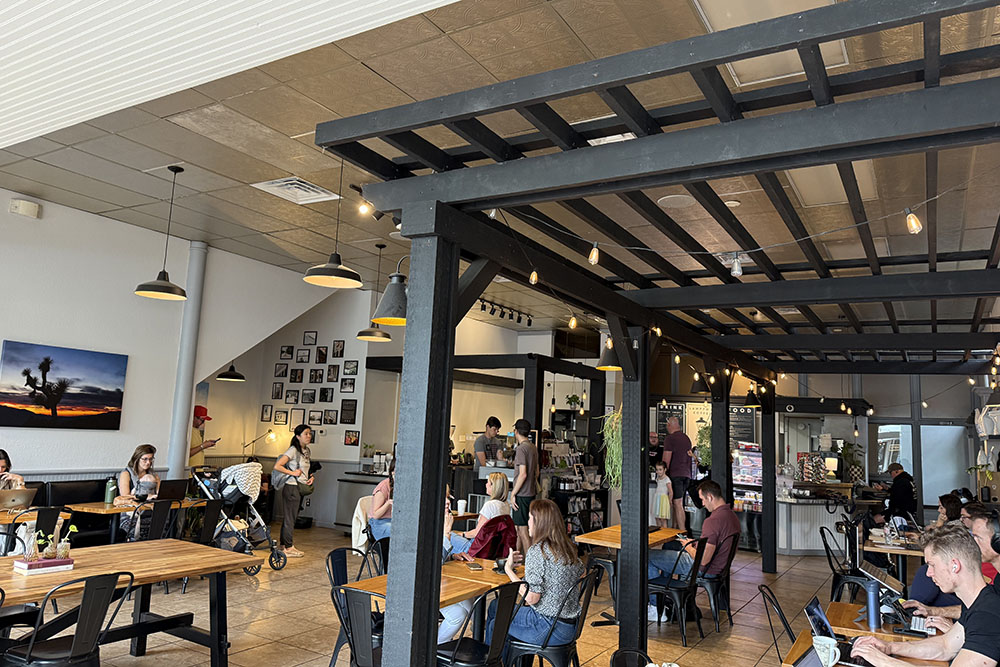
Lamppost Coffee
A small coffeehouse chain in Central Texas, with locations spreading from Georgetown to San Marcos. They don't have a drive-thru, and emphasize community connections.
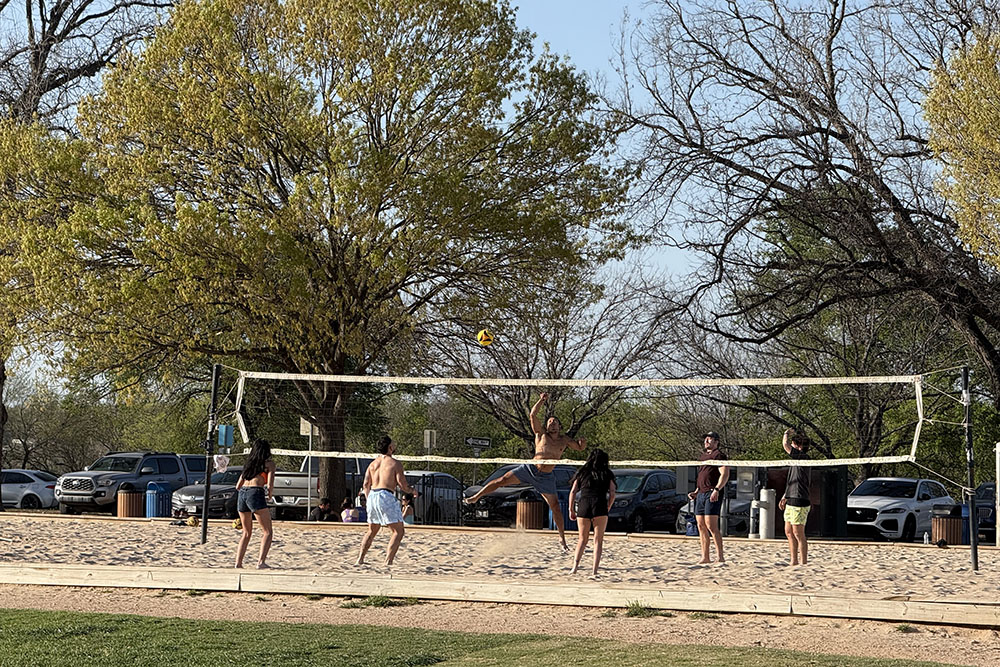
Zilker Sand Volleyball Courts
Sand volleyball courts in Zilker Metropolitan park, open daily for people to come together and play on.